
Blog
Insights on clinical trials & drug development
Analysis, trends and data stories from the Clival team, newest first.
 Latest article
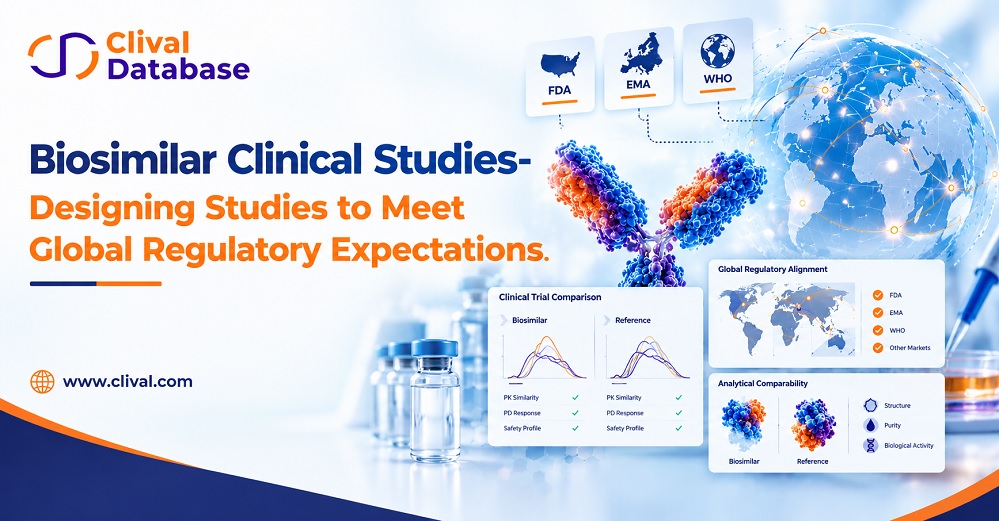
Biosimilar Clinical Studies- Designing Studies to Meet Global Regulatory Expectations
The development of a biosimilar product must be based on a scientific approach, which should establish that the proposed product, having regard to its molecular structure, manufacturing process and intended application
Read article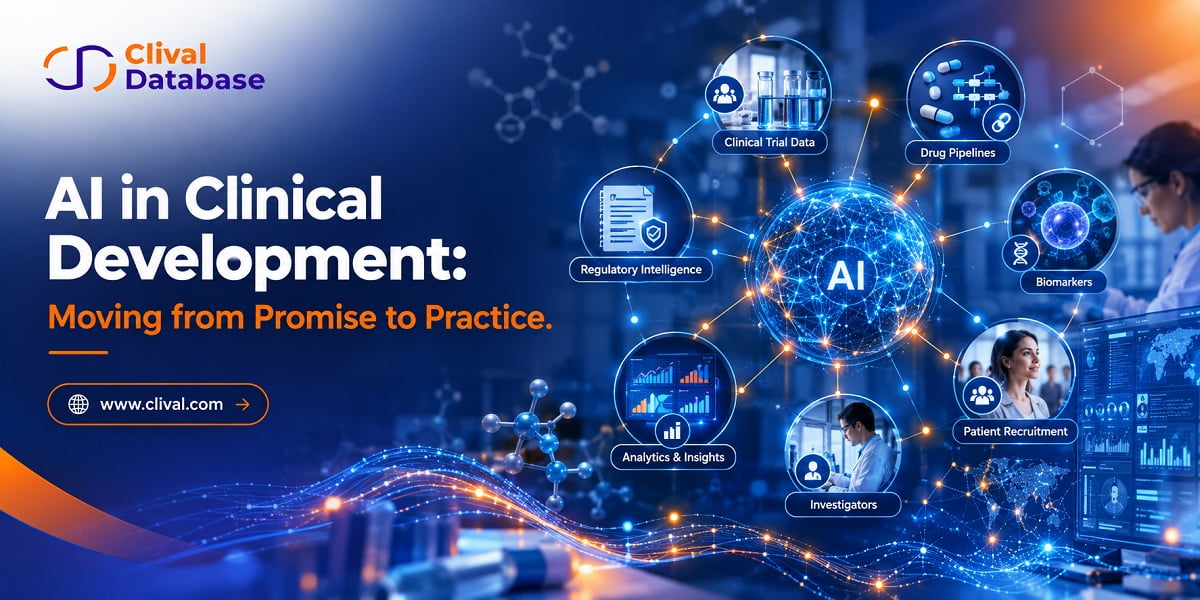
AI in Clinical Development: Moving from Promise to Practice
Artificial Intelligence has graduated from being used in experimental purposes to practical applications in clinical development. There
Read article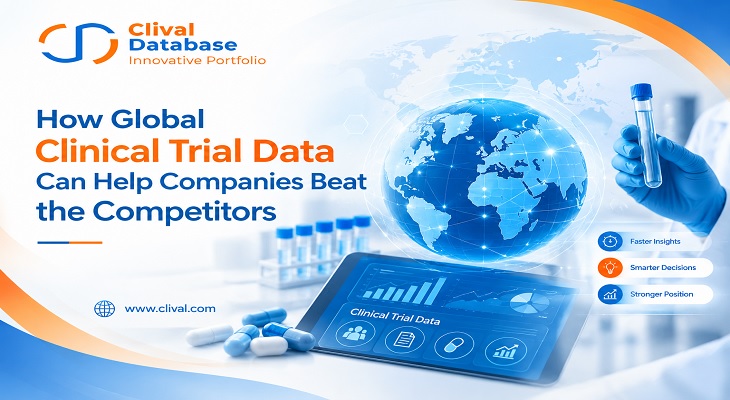
How Global Clinical Trial Data Can Help Companies Beat the Competitors
Pharmaceutical competition is no longer confined to activities happening in one company’s laboratories or clinical programs.
Read article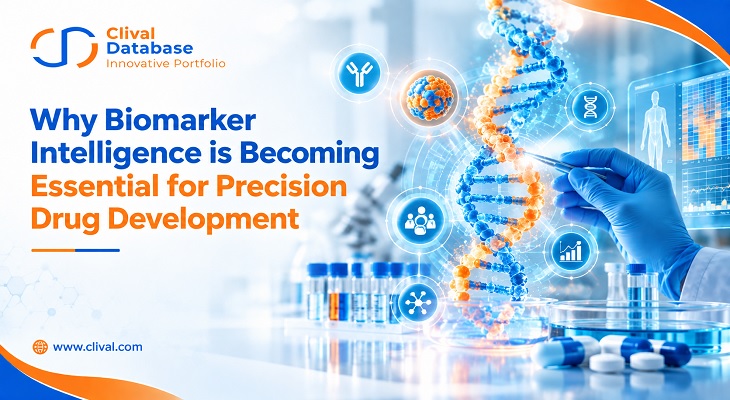
Why Biomarker Intelligence is Becoming Essential for Precision Drug Development
Discover why biomarker intelligence is essential for precision drug development, improving target selection, patient stratification, and clinical trial success.
Read article
Pipeline Intelligence: The New Currency of Pharmaceutical Strategy
Discover how pipeline intelligence helps pharma companies identify opportunities, assess competitors, and make smarter, data-driven strategic decisions.
Read article
The Hidden Signals That Predict Future Blockbuster Drugs
Discover the hidden signals beyond clinical trials that can help pharma teams evaluate future blockbuster drugs, from biomarkers and pipeline momentum to competitive intelligence.
Read article
Why Early Pipeline Intelligence Is Critical for Pharma Innovation
The field of pharmaceutical innovation is rapidly growing and new drug candidates, biotechnology companies, clinical trials, scientific approaches are being added every day.
Read article
How to Spot Acquisition Targets Before They Reach Phase III Clinical Trials
Learn how pharma companies can identify promising acquisition targets before Phase III by analyzing clinical trials, drug pipelines, biomarkers, scientific evidence, and strategic fit.
Read article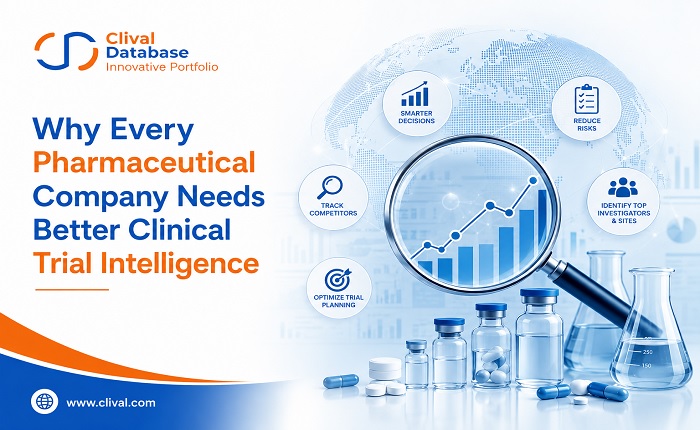
Why Clinical Trial Intelligence Is Critical for Every Pharma Company
Discover why structured clinical trial data services and clinical trials solutions are now critical for pharma R&D, BD teams, and CROs competing in a complex drug development landscape.
Read article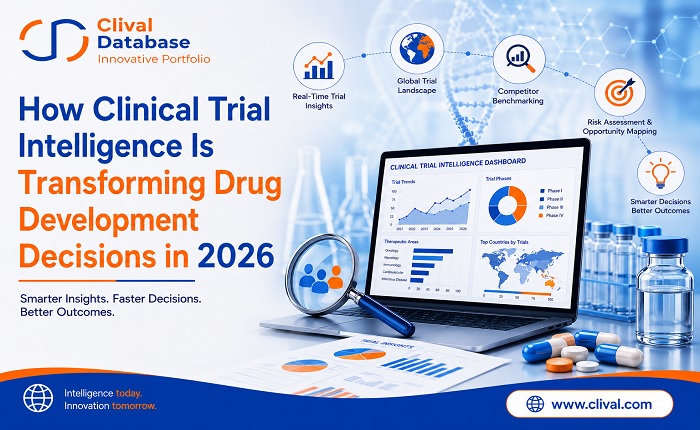
How Clinical Trial Intelligence Is Transforming Drug Development Decisions in 2026
Discover how Clinical Trial Intelligence is transforming the clinical drug development process, improving drug development decisions, and supporting smarter API drug development with real-time data and AI-driven insights.
Read articlePage 1 of 9 · 85 articles