
CorrectSequence Therapeutics (Correctseq) announced a milestone: the first successful sickle cell disease treatment in China using its precision base-editing therapy, CS-101.
- Conducted in collaboration with the First Affiliated Hospital of Guangxi Medical University.
- Patient: a 21-year-old woman from Nigeria, previously plagued by recurrent vaso-occlusive crises.
- Results: sustained increase in fetal hemoglobin (HbF), reduced sickle cell hemoglobin (HbS), and stable total hemoglobin above 120 g/L.
- Six months post-treatment: HbF/HbS ratio 6.5:3.5, no crises, and full return to normal daily life.
This marks China’s first clinical use of base-editing technology for sickle cell disease.
Why It Matters
Sickle cell disease and beta-thalassemia are the world’s most common monogenic disorders, affecting 7% of the global population.
- Around 400,000 newborns are affected yearly.
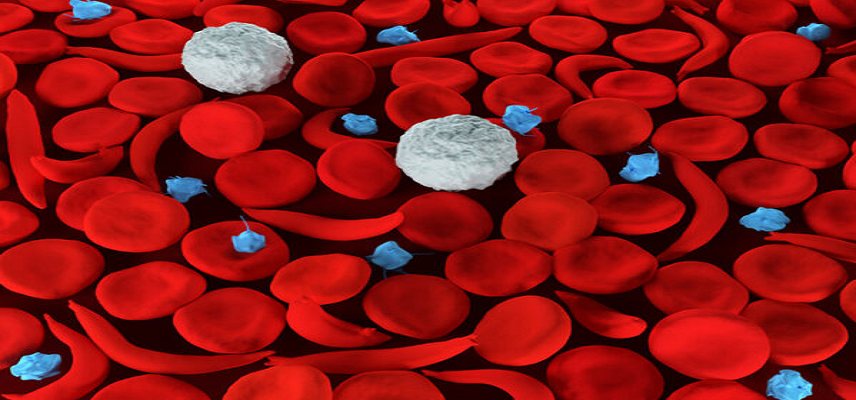
- Sickle cell mutations cause abnormal red blood cells, chronic anemia, severe pain, infection risks, and progressive organ damage.
- About 300,000 children each year inherit sickle cell disease, mainly in Africa, the Mediterranean, the Middle East, and Southeast Asia.
Existing treatments—blood transfusions and medications—manage symptoms but don’t cure. Stem cell transplants can cure, but require matched donors. Base editing eliminates this barrier.
Inside CS-101: Precision Base Editing
CS-101 uses Correctseq’s transformer Base Editor (tBE) platform, described by Wang et al. in Nat Cell Biol (2021).
- Targets beta-hemoglobinopathies by modifying a regulatory element in the gamma-globin gene promoter (HBG1/2).
- Mimics natural single-nucleotide variants found in people with inherited persistence of fetal hemoglobin.
- Reactivates gamma-globin expression to increase functional HbF, preventing sickling and reducing hemolysis.
Patient Outcomes
- Baseline hemoglobin: 67.3 g/L.
- Post-treatment: neutrophil recovery in 13 days, platelets above 50×10⁹/L in 21 days.
- HbF rose from 4.4% to 34.6% in one month.
- Since month three: HbF remains above 60%, HbS below 40%.
- No treatment-related adverse events reported.
Safer Than CRISPR/Cas9
Unlike CRISPR “molecular scissors,” CS-101 offers:
- Faster hematopoietic regeneration
- Higher HbF/HbS ratio
- No large DNA deletions, chromosomal rearrangements, or off-target mutations
Clinical Progress and Pipeline
- Nearly 20 patients with beta-thalassemia or sickle cell disease have received CS-101 in trials.
- First beta-thalassemia patient: transfusion-free for 22 months.
- Phase I trial for beta-thalassemia completed—all patients achieved transfusion independence.
- Phase II/III pivotal trials launching soon, with global enrollment underway.
About Correctseq
Founded at ShanghaiTech University, CorrectSequence Therapeutics pioneers curative gene-editing medicines.
- Focus: genetic diseases, metabolic disorders, and cardiovascular conditions.
- Portfolio: several base-editing systems with higher precision, reduced off-target risk, and improved efficiency.
- Mission: develop and commercialize genetic therapies to transform lives worldwide.
The Big Picture
CS-101 could become the world’s first base-editing treatment for beta-hemoglobinopathies, positioning Correctseq as a global leader in genetic medicine.