
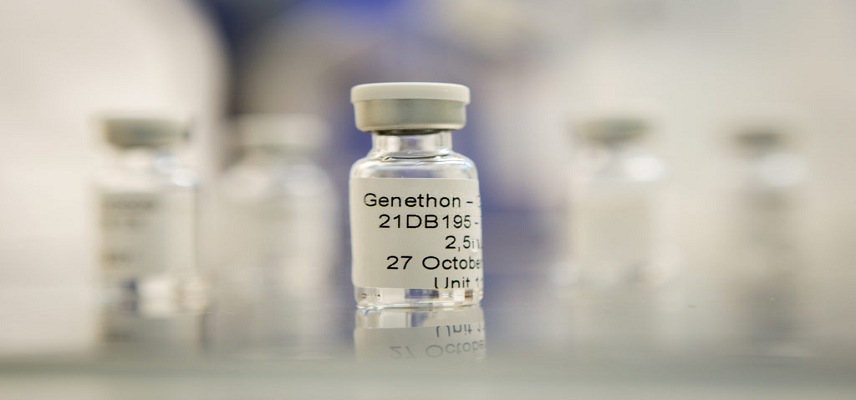
Genethon has received the green light from both the MHRA (UK) and EMA (EU) to initiate Phase 3 clinical trials for its gene therapy GNT0004.
This pivotal trial targets Duchenne muscular dystrophy (DMD), a rare and devastating genetic disorder affecting muscle strength and function in young boys.
A Major Milestone for Genethon
Genethon CEO Frédéric Revah highlighted this regulatory approval as a decisive turning point for the DMD program, which began in 2021.
He emphasized two major points:
- The strong results observed in the Phase 1/2 portion of the study
- The lower dose of GNT0004 chosen for the pivotal trial—lower than doses used in competing DMD gene therapy trials
“We are determined to bring GNT0004 to market for young patients who have been waiting too long for a solution,” said Dr. Revah.
What Makes GNT0004 Stand Out?
Early-phase results from the first patients showed:
- Good tolerance of GNT0004
- Strong expression of microdystrophin
- Reduction in creatine phosphokinase (CPK)—a biomarker for muscle damage
- Stabilization or improvement of motor function
These outcomes gave regulators confidence in the product’s potential and its safety profile.
Phase 3 Trial Overview
- Start Date: August–September 2025
- Trial Sites: France and the UK
- Enrollment: 64 ambulant boys aged 6–10 with DMD
- Administration: Single intravenous injection of GNT0004
- Vector: AAV8 with hMD1 microdystrophin gene (3×10¹³ vg/kg dose)
- Target Tissues: Muscle and cardiac cells (via Spc5-12 promoter)
- Protocol: Double-blind, placebo-controlled trial
- Immunological Prophylaxis: Given to manage any immune response
Understanding Duchenne Muscular Dystrophy
DMD is a progressive genetic disease affecting 1 in 5,000 boys worldwide. It stems from mutations in the gene that encodes dystrophin, a key protein that stabilizes muscle membranes.
Without dystrophin, boys with DMD face:
- Gradual loss of mobility
- Severe heart and respiratory decline
- Death often between ages 20 to 40
About Genethon
Genethon is a non-profit R&D lab founded by the AFM-Telethon. It focuses exclusively on gene therapies for rare diseases.
One of its previous gene therapy contributions has already been approved for spinal muscular atrophy, marking a historic achievement in rare disease treatment.