
What if an invisible gas could ease one of the most painful inherited diseases?
That’s the bet Hillhurst Biopharmaceuticals is making with its investigational therapy, HBI-002, a novel, oral, low-dose carbon monoxide (CO) treatment aimed at reducing the agony of sickle cell disease (SCD).
Now, the company has hit a critical milestone.
First Patient Dosed: A Landmark Moment
Hillhurst has officially begun Phase 2a clinical trials for HBI-002. The first subject has been dosed. And with that, hope enters the bloodstream of a new generation of patients.
“This marks a significant milestone,” said CEO and co-founder Andrew Gomperts. “There remains a substantial unmet need in preventing painful vaso-occlusive crises. We are optimistic HBI-002 can deliver meaningful relief.”
The company expects its first data readout from this trial by the end of 2025.
Inside the Trial: What’s Being Studied?
This open-label Phase 2a trial will assess three key elements:
- Safety of HBI-002 in real patients with SCD
- Tolerability across different dosing conditions
- Biomarker and pharmacokinetic data that will offer early clues into how well the drug might work
The trial results will shape the next major study, Phase 2b, which Hillhurst plans to kick off in 2026.
The Bigger Picture: Why Sickle Cell Desperately Needs Innovation
Sickle cell disease is more than a rare condition—it’s a ticking clock for many.
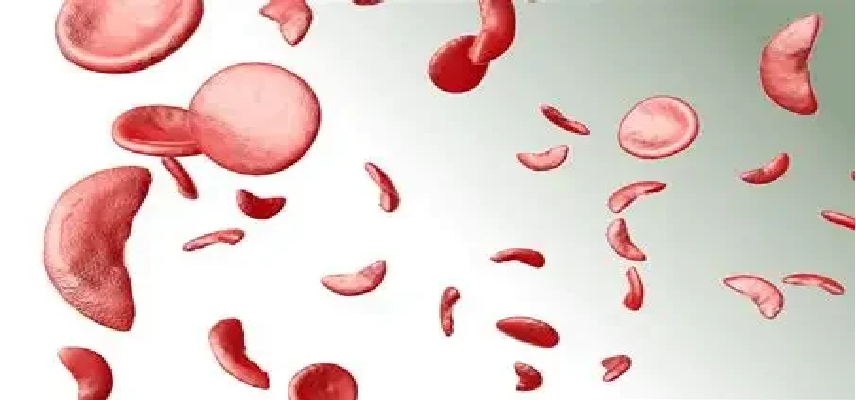
It causes red blood cells to become stiff and sickle-shaped, blocking blood flow and oxygen. That leads to intense pain crises, frequent hospitalizations, and long-term organ damage.
Average life expectancy? Just 45 years in the U.S.
Current treatments are few, often invasive, and don’t work for everyone. That’s why there’s urgency.
What is HBI-002?
HBI-002 is not your standard therapy. It’s a first-of-its-kind oral formulation of carbon monoxide (yes, the same gas you're warned about in homes), but at very low, precisely controlled doses.
Why CO? At therapeutic levels, it has shown anti-inflammatory and cytoprotective effects. In simpler terms—it may calm immune response and protect cells from dying.
Unlike inhaled therapies, HBI-002 is designed to be used orally at home, making it easier for patients to manage long-term.
It’s already been through a successful Phase 1 trial in healthy subjects under an FDA-approved IND (Investigational New Drug) application.
What Else is Hillhurst Working On?
Hillhurst isn’t just banking on one therapy.
It’s built a proprietary drug development engine called GLASS™, which transforms known inhaled therapeutics into novel oral formats. That means better compliance, fewer side effects, and broader access.
Potential future indications for HBI-002? Think bigger:
- Neurodegenerative diseases like Parkinson’s
- Inflammatory conditions with no easy answers today
Backed by Credibility
This research is supported by the National Heart, Lung, and Blood Institute (NHLBI) under a federal grant, ensuring scientific rigor at every step.
Hillhurst is proving that innovation doesn’t always mean inventing from scratch—it can also mean reimagining what already exists.
Final Thought
This trial could change the game for sickle cell disease.
If Hillhurst succeeds, they won’t just ease pain—they’ll rewrite what’s possible for patients who’ve lived too long with too few options.
Stay tuned for what the data reveals in late 2025.