
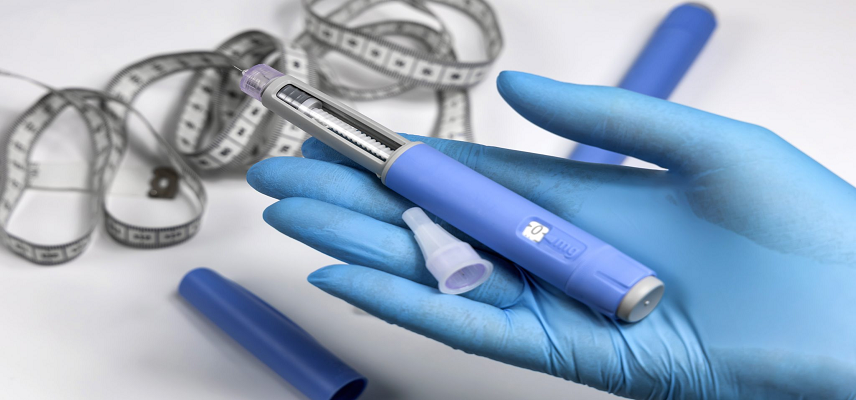
Eli Lilly just dropped a major update in the battle against cardiovascular complications in type 2 diabetes. The company revealed topline results from its SURPASS-CVOT trial, directly comparing two powerful incretin-based therapies: Mounjaro (tirzepatide) and Trulicity (dulaglutide).
Here are some quick facts:
- A head-to-head phase 3 cardiovascular outcomes trial.
- Over 13,000 participants enrolled across 30 countries.
- Four and a half years in duration.
- Targeted adults with type 2 diabetes and atherosclerotic cardiovascular disease.
Mounjaro Hits the Mark
Mounjaro matched Trulicity in preventing major adverse cardiovascular events (MACE-3), which include cardiovascular death, heart attack, or stroke.
Key Outcomes:
- Met the non-inferiority benchmark (HR: 0.92; 95.3% CI: 0.83–1.01).
- Delivered 8% lower risk of MACE-3 vs. Trulicity.
- Reduced all-cause mortality by 16% (HR: 0.84; 95.0% CI: 0.75–0.94).
Additional Clinical Benefits of Mounjaro
Beyond MACE-3, Mounjaro offered significant advantages:
- Improved A1C levels and weight reduction.
- Better renal function outcomes.
- Slowed kidney function decline by 3.54 mL/min/1.73 m² at 36 months vs. Trulicity.
- Lowered risk of death from all causes.
Indirect Comparison vs. Placebo (Pre-Specified Analysis):
- 28% MACE-3 risk reduction (HR: 0.72; CI: 0.55–0.94).
- 39% reduction in all-cause mortality (HR: 0.61; CI: 0.45–0.82).
What This Means for Patients
“These findings strengthen the case for Mounjaro as a potential front-line treatment,”
- Dr. Kenneth Custer, EVP and President of Lilly Cardiometabolic Health.
- Cardiovascular disease remains the top killer for people with type 2 diabetes.
- Mounjaro may offer cardioprotective benefits + kidney protection + longer life.
- Potential to redefine first-line treatment options in high-risk diabetic patients.
Safety and Tolerability
The side-effect profiles for both drugs were consistent with prior data.
- Most common side effects: Mild-to-moderate GI symptoms.
- Discontinuation due to adverse events:
- 13.3% for Mounjaro.
- 10.2% for Trulicity.
Trial Design Snapshot
SURPASS-CVOT:
- Randomized, double-blind, event-driven phase 3 trial.
- Compared MTD of Mounjaro (5/10/15 mg) with Trulicity (1.5 mg).
- Dosing escalated every 4 weeks until MTD was reached.
- Conducted across 640 sites in 30 countries.
- Median follow-up of 4 years.
REWIND (2019):
- Compared Trulicity 1.5 mg vs. placebo.
- Included adults with or without existing cardiovascular disease.
- Enrolled 9,901 patients from 24 countries.
- Primary outcome: MACE-3; Secondary: renal, retinal, hospitalization, and mortality metrics.
What Is Tirzepatide?
Tirzepatide is a dual GIP and GLP-1 receptor agonist. It mimics two natural incretin hormones to control:
- Blood sugar
- Appetite
- Weight
- Metabolism
Tirzepatide also shows promising effects on kidney and heart health, with ongoing studies in:
- Chronic Kidney Disease (CKD)
- Obesity-related morbidity/mortality
- Obstructive sleep apnoea (Zepbound label)
Regulatory Roadmap Ahead
- Full SURPASS-CVOT results will be shared at EASD 2025 in September.
- Eli Lilly will submit the data to global regulatory bodies by year-end.
Bottom Line
Mounjaro isn’t just matching Trulicity—it may be outpacing it on multiple fronts. From heart protection to kidney health and mortality reduction, it’s a serious contender for redefining type 2 diabetes care.