
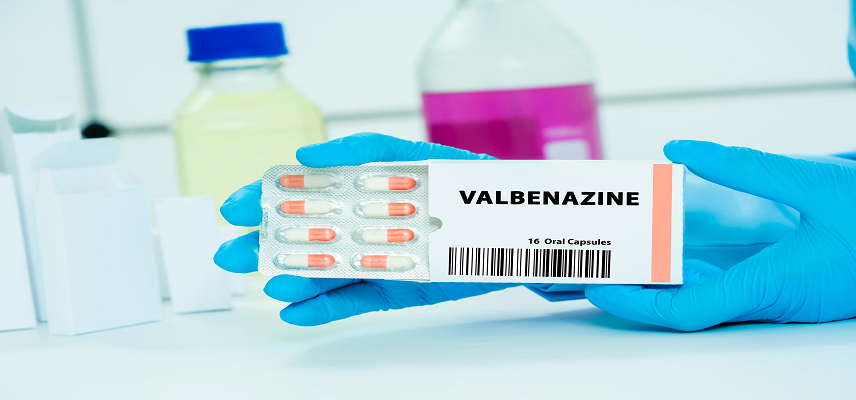
Neurocrine Biosciences, Inc. (Nasdaq: NBIX) announced new findings from a post-hoc analysis of its Phase 4 KINECT-PRO™ study. The results confirm that once-daily INGREZZA® (valbenazine) capsules led to robust rates of symptomatic remission in tardive dyskinesia (TD), alongside sustained improvements in patient-reported outcomes (PROs).
These results were presented at Psych Congress 2025 in San Diego.
Key Findings
- First-of-its-kind analysis reporting both TD remission and PRO improvements.
- Symptomatic remission at Week 24 was achieved by 57.8% of patients (26/45).
- 58.3% at 40 mg
- 44.4% at 60 mg
- 62.5% at 80 mg - Remission defined as AIMS score ≤1 (“minimal” or “none”) across body regions (items 1–7).
- Patients in remission reported meaningful gains in daily life, function, and well-being.
Impact on Patients’ Lives
Among patients who achieved remission:
|
Patient-Reported Outcome |
Baseline |
Change at Week 24 |
Interpretation |
|
TDIS™ (Impact Scale) |
15.5 |
-10.9 (-13.9, -7.9) |
Strong improvement in TD impact |
|
SDS – Social Life |
5.1 |
-3.2 (-4.3, -2.1) |
Better social functioning |
|
SDS – Family Life |
4.1 |
-2.4 (-3.8, -1.0) |
Improved family/home roles |
|
EQ-VAS (HRQoL) |
61.8 |
+19.3 (12.0, 26.7) |
Higher self-rated health |
"These results suggest remission is achievable sooner than expected, across mild to severe TD cases. Patients who reached remission also experienced significant physical, social, and emotional improvements—making remission an important treatment goal with INGREZZA."
- Dr. Sanjay Keswani, CMO of Neurocrine
About KINECT-PRO™
- Design: Phase 4, open-label study reflecting real-world TD patients.
- Population: Patients with schizophrenia, schizoaffective disorder, bipolar disorder, or major depression who had mild-to-severe TD and associated distress.
- Dosing: Started at 40 mg daily; adjusted to 60 or 80 mg by Week 16; stable dose through Week 24.
- Outcome: Demonstrated both clinical remission and validated PRO improvements.
- Safety: Consistent with INGREZZA’s known profile; no new concerns identified.
Why This Matters
- First and only study to show validated PRO improvements with a VMAT2 inhibitor in TD.
- Supports the Tardive Dyskinesia Impact Scale (TDIS™) as a key tool for assessing quality-of-life outcomes.
- Adds to the growing body of evidence that INGREZZA can reduce TD severity and achieve remission.
Additional Neurocrine Presentations at Psych Congress 2025
- Osavampator (NBI-1065845/TAK-653): Phase 2 SAVITRI™ results in major depressive disorder.
- Multiple poster presentations on TD symptom relief, functional improvements, and quality-of-life outcomes with valbenazine.
About Tardive Dyskinesia
- Affects an estimated 800,000 adults in the U.S.
- Caused by long-term use of dopamine-blocking medications (e.g., antipsychotics, GI drugs).
- Symptoms include involuntary movements of the face, torso, or limbs, which can be persistent, disruptive, and often irreversible.
About INGREZZA® (valbenazine)
- FDA-approved for:
- Tardive dyskinesia in adults
- Chorea associated with Huntington’s disease - Dosing: Once daily, with no required titration.
- Available as: Capsules (40, 60, 80 mg) and INGREZZA SPRINKLE® for patients with swallowing difficulties.
About Neurocrine Biosciences
A neuroscience-focused biopharma company developing treatments for neurological, neuroendocrine, and psychiatric disorders, including TD, Huntington’s disease, congenital adrenal hyperplasia, endometriosis, and uterine fibroids.