
Hua Medicine (HKEX: 2552) announced positive topline results from its U.S. Phase 1b multiple ascending dose (MAD) study of HMS1005, an investigational second-generation glucokinase activator (GKA) being developed as a once-daily oral treatment for Type 2 diabetes (T2D).
The 14-day study enrolled 48 adults with T2D across six dose cohorts. HMS1005 was generally well tolerated, while serum glucose measurements and continuous glucose monitoring (CGM) indicated improvements in glycemic control during treatment.
The findings support further clinical evaluation of HMS1005 as a potential once-daily therapy for T2D and other conditions associated with impaired glucose homeostasis.
Phase 1b Study Design
The Phase 1b trial evaluated the safety, tolerability, pharmacokinetics (PK) and pharmacodynamics (PD) of HMS1005 in adults with T2D in the United States. The enrolled population was heterogeneous, with approximately 83% of participants identified as White.
Participants received once-daily doses ranging from 123 mg to 492 mg. The study builds on Phase 1a findings, which demonstrated efficient conversion of HMS1005 into its active parent compound, dorzagliatin (HMS5552), and prolonged systemic exposure.
Key Phase 1b Findings
Pharmacokinetics
HMS1005 was efficiently converted into dorzagliatin across the evaluated dose groups.
The once-daily extended-release formulation demonstrated a favorable dose-exposure profile for dorzagliatin, based on peak plasma concentration (Cmax) and area under the concentration-time curve (AUC). These findings were compared with results from an earlier multiple ascending dose study of twice-daily dorzagliatin.
The pharmacokinetic findings support further investigation of HMS1005's once-daily dosing strategy.
Safety and Tolerability
HMS1005 was generally well tolerated during the 14-day treatment period, including at doses up to 492 mg once daily.
-
No serious adverse events were reported.
-
No episodes of severe hypoglycemia were observed.
-
No clinically meaningful hypoglycemia, defined as blood glucose below 54 mg/dL (3.0 mmol/L), was reported.
-
CGM data showed no increase in time below range (TBR) at doses of 123 mg to 369 mg.
The company identified 369 mg once daily as the maximum tolerated dose. Further studies will help establish the appropriate dose for longer-term treatment.
Glycemic Control
CGM measurements showed improvements in glucose management indicator (GMI) and time in range (TIR) during the treatment period.
Across the drug-tolerant dose groups from 123 mg to 369 mg, TIR increased and GMI decreased in association with exposure to the active compound HMS5552.
The largest observed GMI reduction was 1.48% in a cohort characterized by high impairment of beta-cell function. In the cohort with the highest observed TIR, the measure increased from approximately 35% at baseline to more than 80% after treatment.
These findings are preliminary observations from a short-duration Phase 1b study and require confirmation in larger, longer clinical trials.
HMS1005: A Once-Daily Prodrug of Dorzagliatin
HMS1005 is a second-generation glucokinase allosteric activator and a prodrug of dorzagliatin, Hua Medicine's approved GKA in China.
Dorzagliatin is administered twice daily, while HMS1005 is being developed as an extended-release formulation for once-daily dosing. The development strategy aims to maintain exposure to the active compound throughout the day and potentially improve treatment convenience.
The company also reported that the observed PK and PD profiles may support discussions with regulatory authorities regarding the need for certain long-term toxicology studies. Any waiver would require regulatory confirmation.
Clinical Experience with Dorzagliatin
HMS1005 builds on Hua Medicine's clinical and commercial experience with dorzagliatin, marketed in mainland China as HuaTangNing.
Dorzagliatin was approved in China in 2022 and has been used in more than 600,000 patients, according to the company. Hua Medicine reported that more than 10 million packs have been used in China.
At the 2026 American Diabetes Association Scientific Sessions, the company presented findings from HMM0601, a multicenter post-marketing real-world study involving 2,024 patients across 80 clinical centers.
During the 52-week observation period, the study reported improvements in HbA1c and glycemic control. No drug-related serious adverse events or severe hypoglycemia episodes were reported, while clinically meaningful hypoglycemia occurred in fewer than 1% of patients.
Additional findings presented at the 2026 European Association for the Study of Diabetes Annual Meeting indicated that dorzagliatin's efficacy and safety in adults aged 65 years or older and patients with reduced renal function were consistent with those observed in the overall study population.
Interim results from HMM0701, a prospective real-world observational study, also suggested improvements in TIR and glucose homeostasis among patients with longstanding T2D.
The company further reported that a fixed-dose combination of dorzagliatin and metformin met its pivotal bioequivalence endpoints in clinical trials in mainland China. Hua Medicine expects to submit an NDA for the combination in 2027.
These clinical and commercial experiences provide a foundation for HMS1005 development, although the investigational candidate must establish its own safety and efficacy profile.
Next Steps in Clinical Development
Hua Medicine plans to combine data from the Phase 1a and Phase 1b HMS1005 studies with existing clinical and nonclinical data on dorzagliatin to support discussions with the U.S. Food and Drug Administration (FDA).
Future clinical studies are expected to evaluate selected once-daily doses over longer treatment periods, including their effects on HbA1c and other measures of glycemic control.
Dr. Li Chen, Founder and CEO of Hua Medicine, said the Phase 1b results support continued development of HMS1005 and build on the company's experience with glucokinase activators.
The company also intends to explore potential applications in other conditions, including diabetes prevention, prediabetes and mild cognitive impairment. These remain areas of future investigation.
Hua Medicine retains global rights to HMS1005 and plans to engage with potential strategic and financial partners for development outside China.
About Glucokinase and Type 2 Diabetes
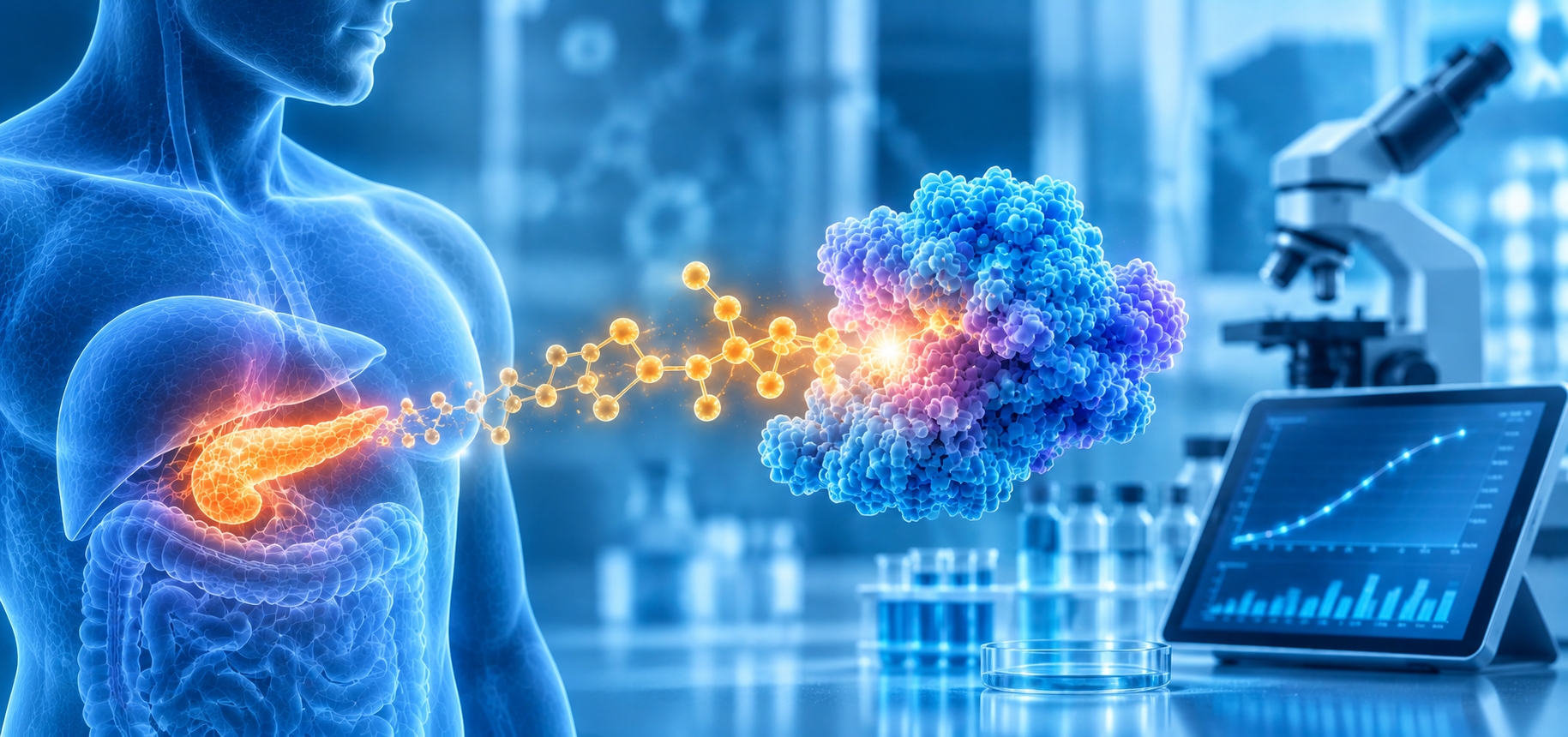
Glucokinase is a glucose-sensing enzyme found in the pancreas, liver and gut. It plays a role in glucose-stimulated insulin secretion, hepatic glucose uptake and storage, and the release of incretin hormones such as GLP-1.
Glucokinase activators are designed to enhance this glucose-sensing pathway and support the body's regulation of blood glucose. Hua Medicine describes dorzagliatin as the world's first approved GKA.
HMS1005 remains an investigational drug. Its long-term efficacy, safety and potential benefits beyond T2D will need to be established through further clinical development.