
Kodiak Sciences Completes First 300-Patient Enrollment in Phase 3 KSI-101 Trial
Topline Data from Pivotal Analysis 1 Expected in December 2026
Kodiak Sciences Inc., a biotechnology company focused on developing treatments for retinal diseases, has completed enrollment of the first 300 patients in its PEAK phase 3 clinical trial evaluating KSI-101 for macular edema secondary to inflammation, or MESI.
The company said the enrollment milestone supports Pivotal Analysis 1 of its phase 3 KSI-101 program. Kodiak also reaffirmed that it expects to release topline results from this analysis in December 2026.
The milestone is an important step for the company as it moves KSI-101 through late-stage clinical development.
KSI-101 Program Moves Forward
KSI-101 is being developed as a potential treatment for patients with MESI, a group of inflammatory eye conditions that can cause swelling in the macula and lead to vision problems.
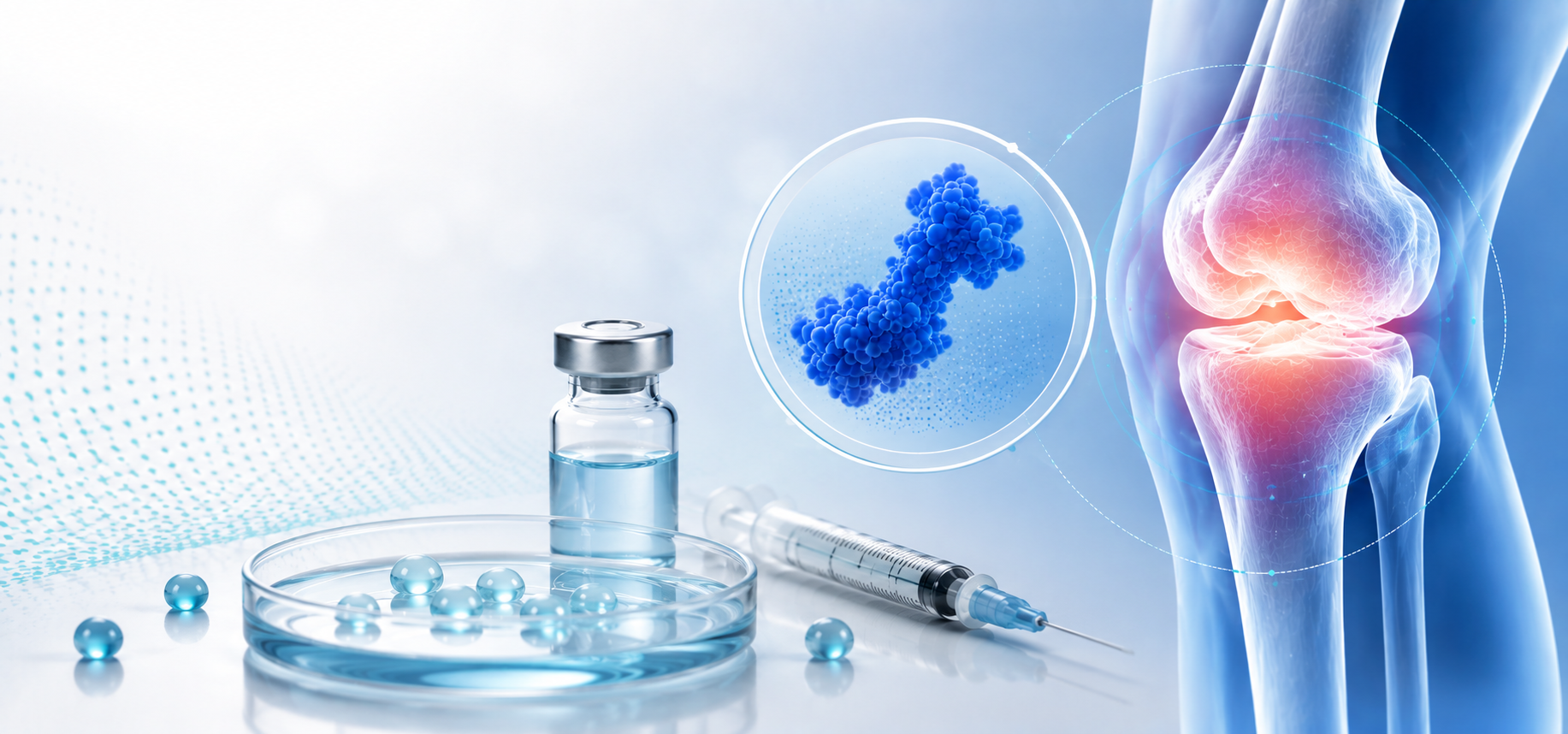
Kodiak designed KSI-101 as a bispecific protein that targets two important disease pathways, interleukin-6 (IL-6) and vascular endothelial growth factor (VEGF).
The treatment is being studied as a potential option for patients who currently have limited treatment choices.
Victor Perlroth, M.D., chief executive officer of Kodiak Sciences, said completing the first 300-patient enrollment milestone allows the company to move ahead with its planned December 2026 data release.
He also pointed to earlier results from the phase 1b APEX study, which increased the company's confidence in the potential of KSI-101 for MESI.
What Is Macular Edema Secondary to Inflammation?
MESI refers to a group of eye diseases in which inflammation causes fluid to build up in the macula.
The macula is the central part of the retina that is important for sharp and detailed vision. When fluid builds up in this area, patients can experience blurred or reduced vision.
MESI can develop from different causes, including autoimmune diseases, idiopathic inflammation, inflammation following medical procedures, and other inflammatory conditions affecting the eye.
The condition is different from other common causes of macular edema, such as wet age-related macular degeneration, diabetic macular edema, and retinal vein occlusion.
Current Treatment Options Have Limitations
Patients with MESI may currently be treated using systemic or ocular therapies, including corticosteroids.
However, corticosteroid treatment can come with limitations and side effects. These can include increased intraocular pressure and cataract formation.
According to Kodiak, there are currently no intravitreal biologic treatments approved to address the broader spectrum of MESI diseases.
This leaves an opportunity for new treatments that can control inflammation, reduce retinal fluid and help protect vision without some of the limitations associated with existing approaches.
Earlier Results from the APEX Study
The development of KSI-101 is supported by results from the phase 1b APEX dose-finding study.
In the study, KSI-101 showed anatomical and visual improvements across patients with MESI.
More than half of the patients achieved gains of at least 15 letters in best-corrected visual acuity. Greater benefits were observed at higher dose levels.
Some patients in the highest dose groups experienced rapid improvements in vision, with 10-letter gains reported by Week 4.
Improvements in retinal structure were also observed. Optical coherence tomography measurements showed that central subfield thickness could fall below 325 microns as early as Week 1 in some patients receiving higher doses.
By Week 8, more than 90% resolution of intraretinal fluid and subretinal fluid was reported in the higher-dose groups.
Further improvements were seen with continued treatment, with some patients reaching 20/25 Snellen visual acuity by Week 20.
In the top dose groups, at least 90% of patients achieved complete absence of intraretinal and subretinal fluid, indicating substantial retinal drying.
KSI-101 was also reported to be well tolerated in the APEX study, with a favourable safety profile.
Phase 3 PEAK and PINNACLE Trials
Following the APEX results, the two highest KSI-101 dose levels were selected for the phase 3 program.
The PEAK and PINNACLE trials are now actively enrolling patients.
Both studies are designed to compare KSI-101 with sham treatment and evaluate two doses of the drug, 5 mg and 10 mg.
The two trials have similar designs but focus on different patient groups.
PEAK is evaluating patients with more severe MESI, including those with moderate to severe macular edema and vision impairment.
PINNACLE is designed to include patients with milder disease, including patients with mild macular edema and different levels of vision impairment. It will also include some patients with moderate to severe macular edema who still have good vision.
Together, the studies are designed to evaluate KSI-101 across a broad range of MESI patients.
How Patients Receive KSI-101
Patients assigned to KSI-101 treatment receive monthly dosing for the first six doses, from Day 1 through Week 20.
After that, patients move to individualized dosing through Week 44, with dosing occurring as often as monthly when needed.
Patients in the control group receive monthly sham treatment for the first six doses, followed by sham treatment on an as-needed basis.
The primary and key secondary endpoints will be evaluated at Week 24.
First 300 Patients Form Pivotal Analysis 1
The first 300 patients enrolled in PEAK form the population for Pivotal Analysis 1.
Kodiak said these patients represent a group with more severe MESI and will provide the first major phase 3 test of KSI-101.
The company expects topline results from Pivotal Analysis 1 in December 2026.
The next major analysis, Pivotal Analysis 2, will include PEAK patients 301 through 600 and the first 300 patients enrolled in PINNACLE.
Results from Pivotal Analysis 2 are expected in the second quarter of 2027.
Researchers See a Need for New MESI Treatments
David Eichenbaum, M.D., director of research at Retina Vitreous Associates of Florida and a principal investigator in the PEAK and PINNACLE trials, said MESI represents a meaningful group of patients in retinal practices.
He noted that many patients have already experienced corticosteroid treatment and understand its potential limitations.
The earlier KSI-101 data have encouraged investigators because the treatment has shown both retinal and visual improvements while maintaining a favourable safety profile to date.
KSI-101 Targets Two Disease Pathways
KSI-101 is designed as a high-strength bispecific protein targeting IL-6 and VEGF.
These two pathways are involved in inflammation and vascular changes that can contribute to retinal swelling and vision loss.
By targeting both pathways with one treatment, Kodiak is developing KSI-101 as a potential approach for managing the inflammatory and vascular components of MESI.
The treatment is being evaluated at a concentration of 100 mg/mL.
What the December 2026 Data Could Show
The December 2026 topline results will provide the first major phase 3 efficacy and safety assessment from the PEAK study's first 300 patients.
The results are expected to help determine whether the improvements observed in the earlier APEX study can be reproduced in a larger, controlled phase 3 population.
The data will also be important for understanding the potential of KSI-101 as a treatment option for patients with more severe MESI.
Kodiak Sciences is continuing to enroll patients in both PEAK and PINNACLE as the phase 3 program advances.
Optimize Your trial insights with Clival Database.
Are you exhausted from the uncertainty of trial insights pricing? Clival Database ensures the clarity in the midst of the global scenario for clinical trials to you.Clival Database is one of the best databases that offers an outstanding number of clinical trial data in terms of 50,000+ molecules and from primary regulatory markets as well as new entrants like Indian and Chinese markets.
With Clival, you get accurate positioning of historical sales data, patent database, company profiling, safety & efficacy, and prediction of launch of new innovative molecules helping you to align your research and driving down the cost.
To add value, we further break down our analytics for you so that improving your operational effectiveness; optimizing your clinical trials; and offering you accurate and high-quality data at lowest possible prices becomes possible.
Elevate your trial success rate with the cutting-edge insights from Clival database.
Check it out today and make more informed sourcing decisions! Learn More!