
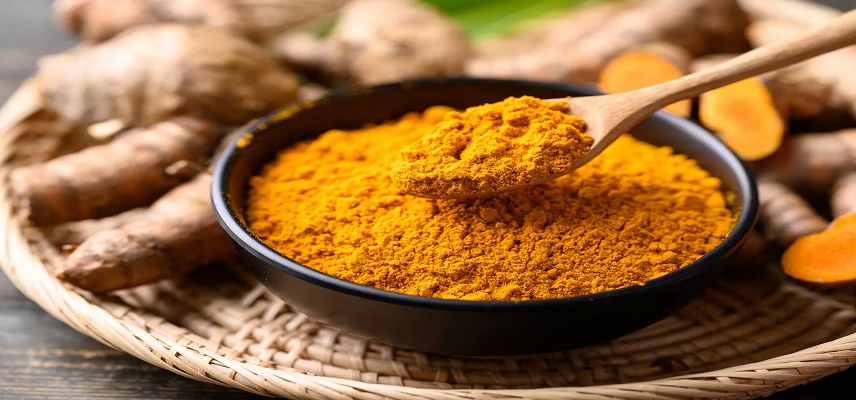
Researchers will present new findings demonstrating that a novel transdermal curcumin gel (VAS-101; Vascarta Inc.) can reverse acute vaso-occlusive pain in sickle cell disease (SCD). The study will be shared at the 67th Annual American Society of Hematology (ASH) Meeting in Orlando.
Investigating the Role of IL-17 in Pain Mechanisms
The research team tested the hypothesis that IL-17 triggers a cascade of inflammatory responses—including TNF-α, IL-6, and p38 phosphorylation—leading to oxidative stress, neuronal injury, and severe pain during hypoxia/reoxygenation (H/R)-induced vaso-occlusive crises in mice.
Mice treated with anti-IL-17A antibodies before H/R exposure showed significantly reduced mechanical, thermal, and musculoskeletal hyperalgesia compared to untreated controls. Post-H/R analyses confirmed decreased IL-17 and TNF-α levels in the spinal cords of treated mice, suggesting IL-17 plays a key role in acute pain by regulating inflammatory cytokines.
Testing VAS-101 for Pain and Inflammation Reduction
Next, researchers evaluated the effect of the novel transdermal curcumin gel (VAS-101)—known for reducing inflammation and oxidative stress—on sickle cell mice subjected to acute H/R challenges.
Mice pre-treated with VAS-101 for two weeks demonstrated lower sensitivity to pain stimuli, improved grip strength, and decreased cytokine levels (IL-17, IL-6, and TNF-α) compared to controls. These findings indicate that VAS-101 effectively reduces inflammation and pain response in SCD models.
Protecting Neuronal Health and Mitochondrial Function
Further experiments showed that VAS-101 reduced reactive oxygen species (ROS) and preserved mitochondrial membrane potential in both hippocampal and dorsal root ganglion (DRG) neurons. The data suggest that VAS-101 interrupts the IL-17–TNF-α/IL-6–p38 signaling pathway responsible for oxidative stress and neuronal damage, potentially preventing acute pain episodes in SCD.
Expert Commentary
Professor Kalpna Gupta of the University of California – Irvine, the study’s principal investigator, noted:
“These breakthrough findings highlight the beneficial effects of the transdermal curcumin gel on the nervous system, organs, and red blood cells. The research reflects a strong collaboration among UC Irvine, the FDA, and Albert Einstein College of Medicine.”
Professor Joel Friedman of Albert Einstein College of Medicine and inventor of Vascarta’s transdermal delivery technology added:
“This study reinforces the broad therapeutic potential of VAS-101—not only in reducing chronic inflammation and pain but also in preventing acute pain episodes in sickle cell disease.”
Recognition
The abstract, “Mechanism-based treatable targets for organ damage and pain in sickle cell disease” (Goel et al., Abstract #abs25-7273), received the 2025 ASH Abstract Achievement Award.
About Sickle Cell Disease
Sickle cell disease (SCD) is the most common inherited blood disorder in the U.S., primarily affecting African American and Hispanic populations. Patients often experience chronic pain, acute vaso-occlusive crises, and complications involving the lungs, kidneys, eyes, and brain. Pain crises remain the leading cause of emergency hospital visits for SCD patients.
About Vascarta Inc.
Vascarta Inc. is a clinical-stage biopharmaceutical company focused on developing transdermal therapies that restore vascular and immune function affected by inflammation and vascular dysfunction. The company’s pipeline centers on enhancing healthspan through innovative topical and transdermal drug delivery systems.
